Sep 24, 2026
Products
Case Studies in Linear Motion Guide Selection

With the vast variety of linear motion guides available, some of our customers have a hard time choosing which to use for new equipment designs. Each guide is designed to deliver a different balance of accuracy, speed, and load capacity, so picking the “right” guide really depends on the intended use. In this article, we’ll present a handful of use cases to illustrate how to select the right linear motion guide based on the special features each provides.
What Are Linear Motion Guides, Anyway?
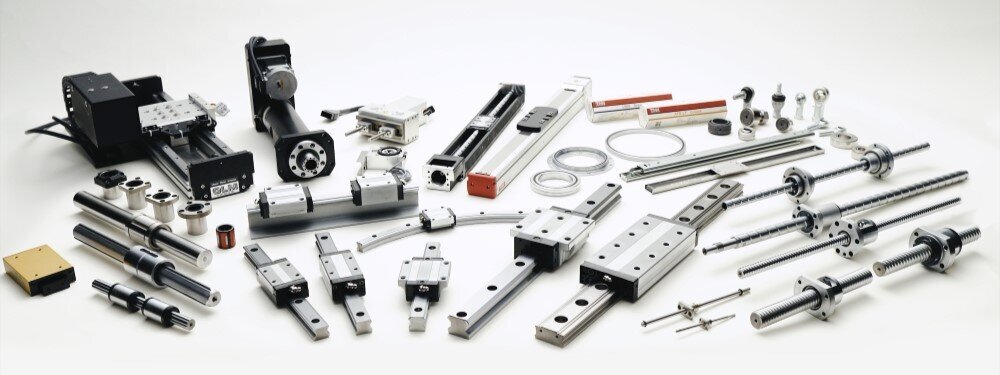
Manufacturing equipment, machine tools, and robots all require devices that provide precise motion in a straight line in order to position their workpieces properly. The components that direct this motion are known as linear motion guides. With our LM Guide, THK was the first to incorporate rolling motion into a linear motion device available on the market. In the years since, we’ve expanded our lineup to meet a wide variety of needs, resulting in more than 10 types of linear motion products alone.
Linear motion guides can largely be split into two categories: those that use a rail to direct linear motion, and those that use a shaft to do so.
There are numerous products in each category, with the LM Guide, cross-roller guide, and slide rail being examples of the former, and ball splines, linear bushings, and LM strokes being examples of the latter.
Whatever the application, there’s guaranteed to be a linear motion guide that’s perfectly suited to it. Let’s look at a few examples to see what features to consider when picking the best guides for each scenario.
Use Case 1: Drawer Mechanisms
One typical place where linear motion systems are used is in the opening and closing mechanisms for things like drawers. Most drawers hold their contents over empty space when they’re fully open, which produces a moment load that the drawer has to bear while still providing smooth motion. When selecting components for drawers, these two points—load capacity and smooth linear motion—are critical.
Among THK's products, LM Guide units and slide rails tend to be the most useful in these situations. Let's compare the structure and special features of the two.
Structure and Features of the LM Guide
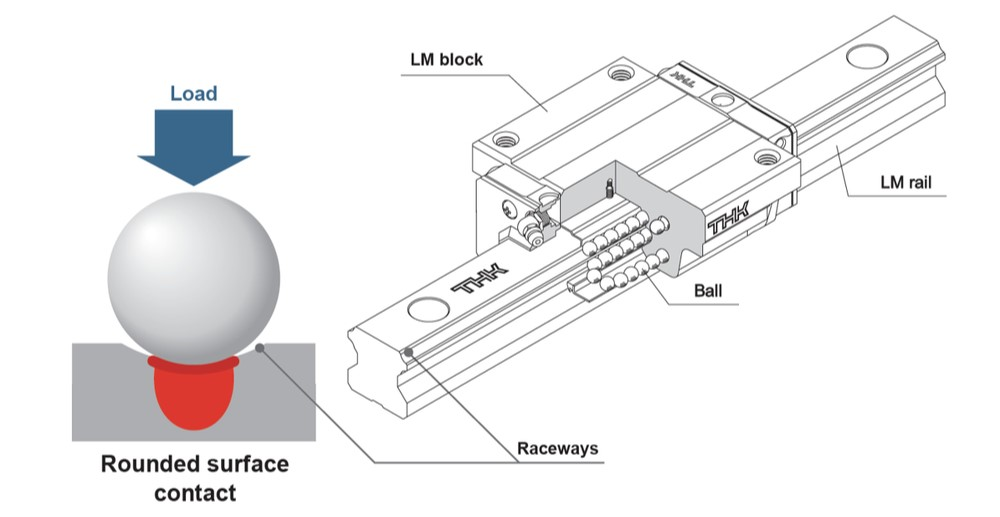
An LM Guide is composed of three basic elements: a mobile LM block, an LM rail that supports its motion, and balls. Inside the LM Guide, balls recirculate infinitely, facilitating even long stroke paths. The most important feature of an LM Guide is the curved groove contact between the balls and the raceways along which they travel. This contact structure extends the life of the LM Guide and allows it to bear larger loads.
Structure and Features of the Slide Rail
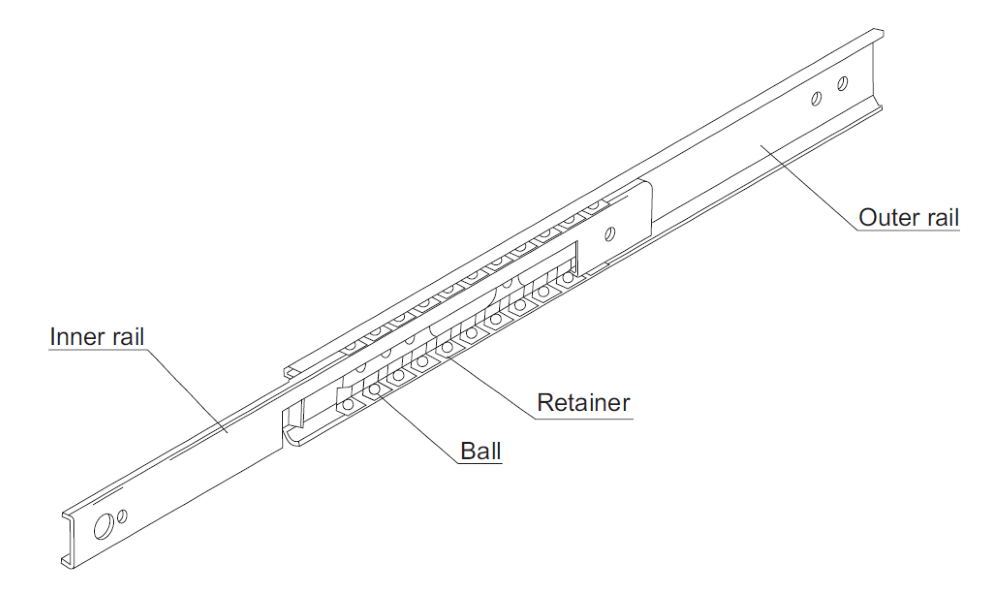
Slide rails are low-cost finite-stroke linear guides made by the precise roll or press forming of either steel or stainless steel plates. Their biggest selling point is how thin and compact they are, which makes them ideal for installing in tight spaces. They’re easy enough to install that they see widespread use in a variety of applications.
Selecting Linear Motion Guides for Open-and-Close Applications
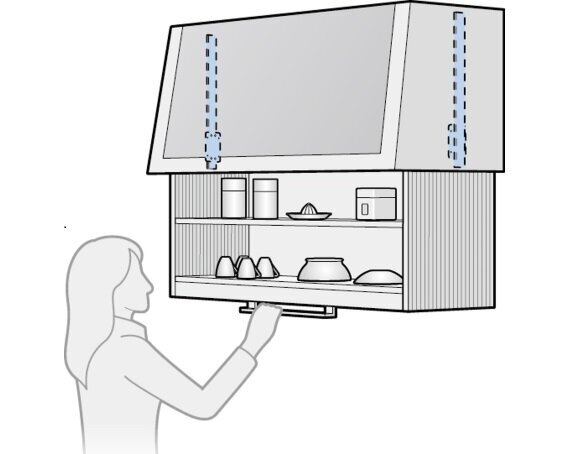
Let's think about the features of both types of guides as we work out which would be best suited to open-and-close mechanisms. The LM Guide is the component of choice for machine tools, owing to its high degree of positioning accuracy. That's why it should be considered for heavy-load applications like the rising mechanisms of modular kitchens, applications where overhangs bear heavy loads, and wherever long stroke lengths are required.
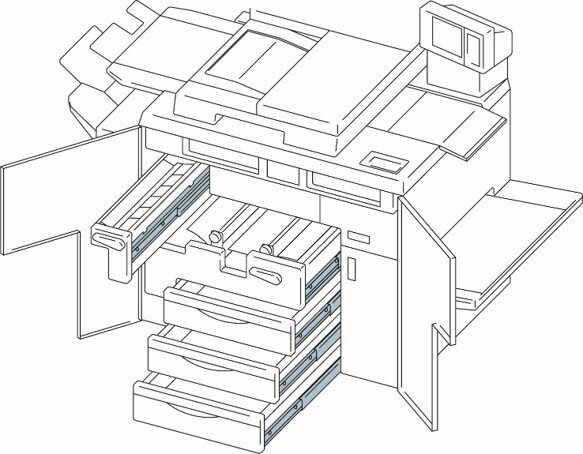
On the other hand, for smooth linear motion with lighter loads, like what you would need for a copy machine or drawers in a family home, the compact and easy-to-install slide rail is the best choice.
Use Case 2: Automated Biochemistry Analyzers (for Medical Labs)
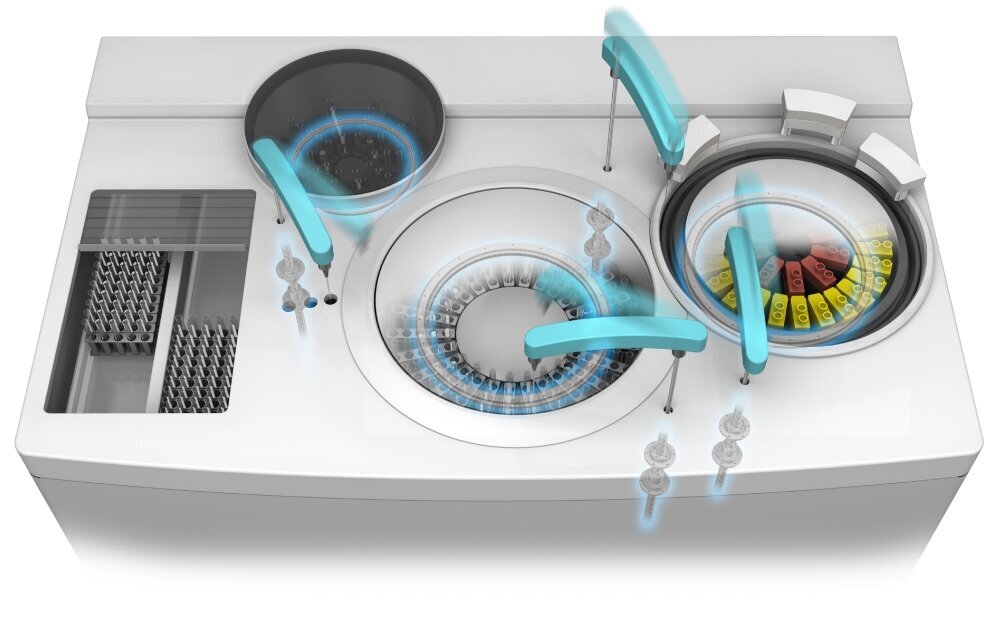
For our next example, let’s look at automated biochemistry analyzers, which require not only linear motion, but rotary motion as well. These devices receive samples and transfer them to different parts of the machine for analysis, incorporating linear motion for raising and lowering them and rotary motion for swiveling arms, all on a single axis.
Two of THK’s linear motion guides stand out as good candidates for the axial guide components that equipment like this requires: linear bushings and ball splines. Let's compare the structure and special features of the two.
Structure and Features of the Linear Bushing
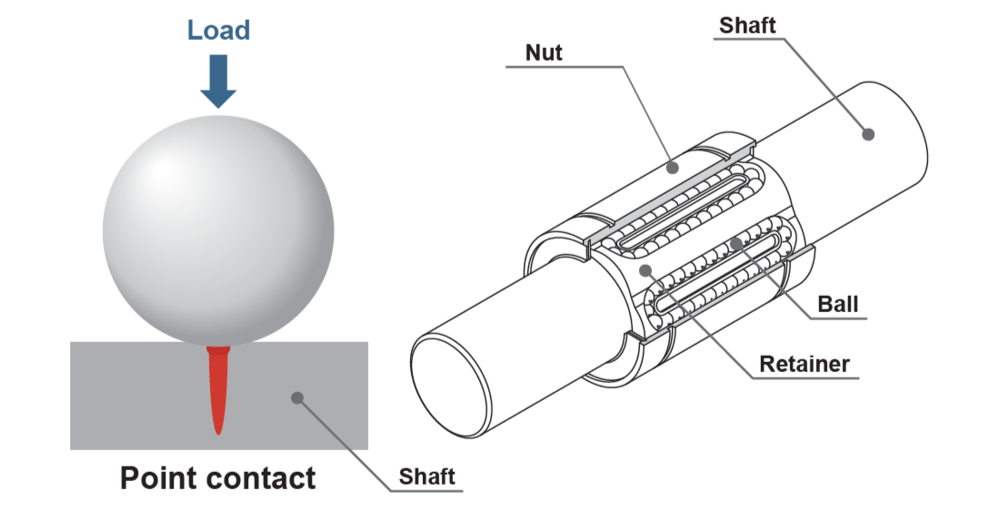
Linear bushings are used in combination with cylindrical LM shafts. Their most important feature is the fact that their balls make point contact with the raceway, which allows them to provide smooth linear motion with minimal friction resistance. They are also relatively inexpensive, which has further contributed to their widespread use. However, the point contact that is their crowning feature is also a drawback when it comes to load capacity; linear bushings aren’t well suited to providing motion while under a large load.
Structure and Features of the Ball Spline
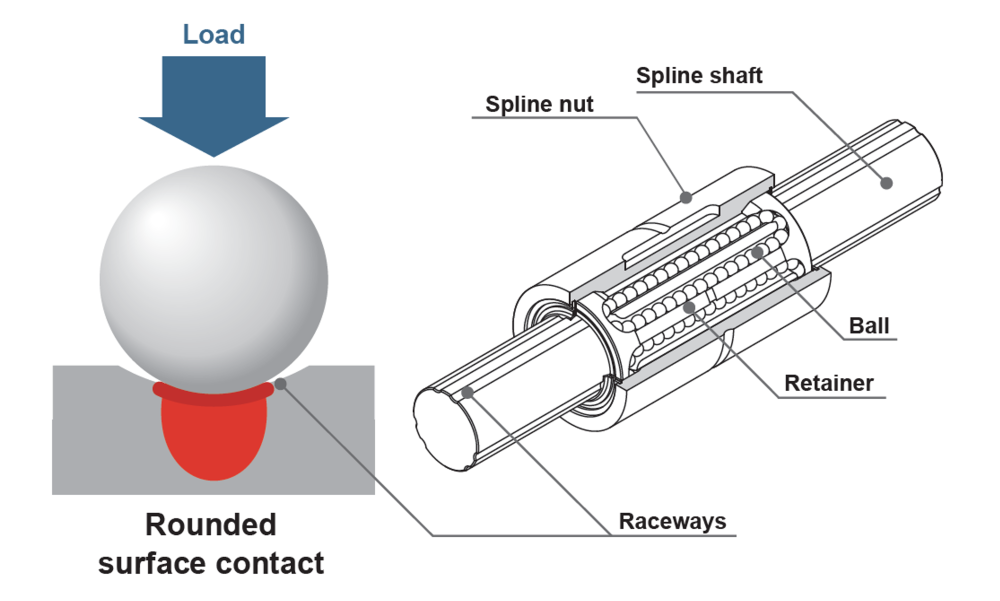
Ball splines are similar to linear bushings in composition, but their raceways are actually grooves. As with the LM Guide, the main feature of a ball spline is the curved groove contact between the balls and the raceways along which they travel. This feature allows ball splines to handle larger loads. Raceway grooves also accommodate large moments and facilitate the transfer of torque.
Selecting Linear Motion Guides for Torque Transfer Applications
Let's think about the features of both types of guides as we work out which would be best suited to automated biochemistry analyzers. At first glance, these two products seem fairly similar, but when it comes to this particular application, torque transfer is the top priority. The clear choice here is the ball spline, which can transfer torque along a single axis. Rotary ball splines in particular have an integrated support bearing around the outside of the spline nut, which keeps the part compact while still facilitating both the rotary and linear motion of the arms in this kind of equipment. It’s also worth noting that, while we prioritized torque transfer in this scenario, ball splines are generally ideal for applications that involve large applied loads as well.
That said, if torque transfer isn’t required and only light loads are involved, linear bushings are a good choice for providing smooth motion with a low coefficient of friction.
Ultimately, selecting the right part comes down to understanding which one is the best fit for the way each machine is meant to move.
Use Case 3: Imaging Inspection Systems
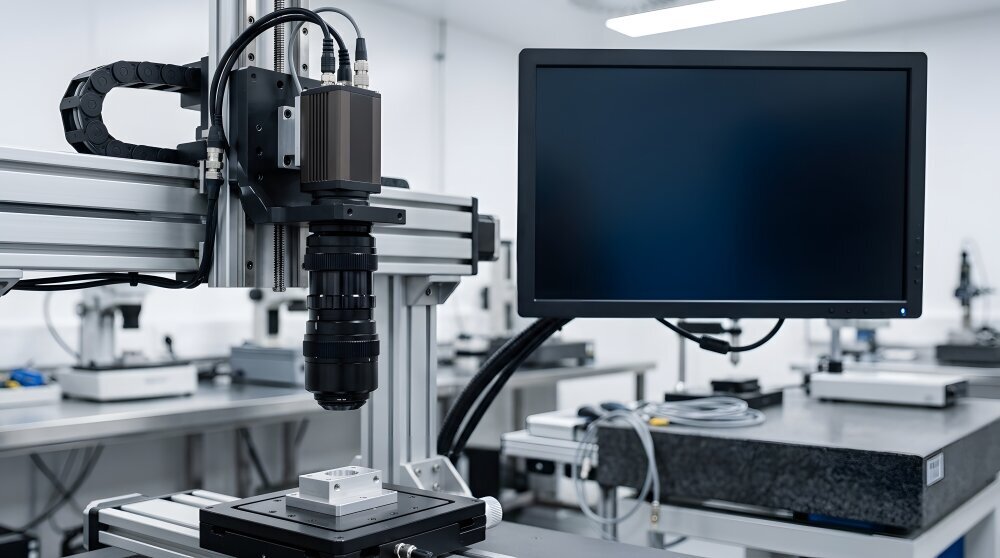
For our last example, let’s find a linear motion guide that can move with the nanometer-level accuracy required for imaging inspection systems. These devices use cameras to capture images of a product’s exterior surface to instantaneously detect things like scratches, debris, dimensions, and overall shape. Any change in the distance between camera lens and target object can cause the image to blur, hence the need for accurate motion on a nanometer scale.
Among THK's linear motion guides, the LM Guide and cross-roller guide tend to be the most suitable for these applications. Let's compare the structure and special features of the two.
LM Guide “Waving”
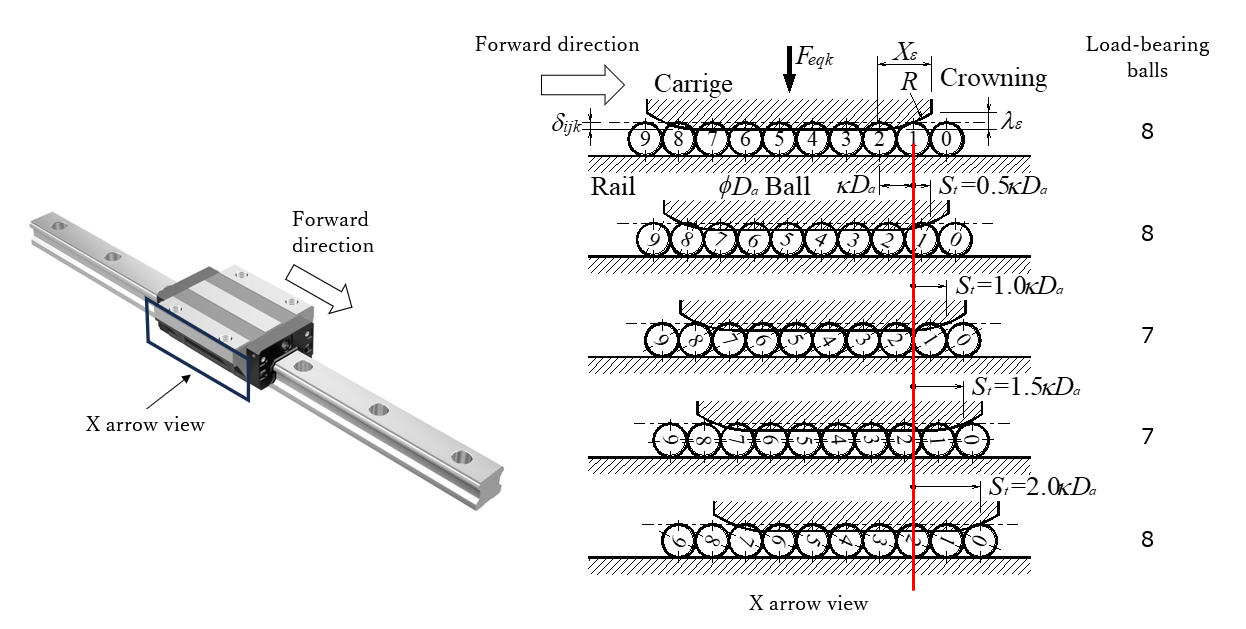
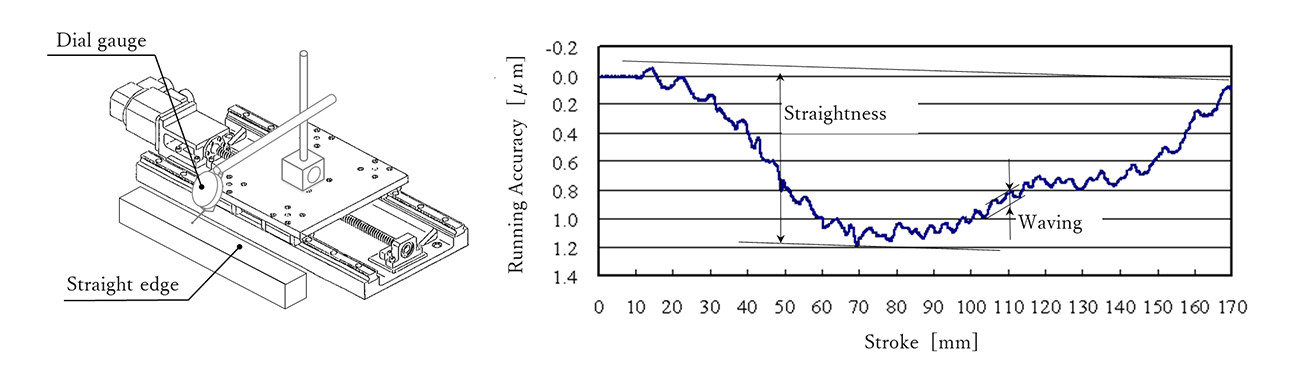
We’ve already touched on the LM Guide as an option for the opening and closing mechanisms for drawers, so we know that they're characterized by high rigidity and high positioning accuracy. The infinite recirculation of balls in the LM Guide comes with a drawback, though. As the balls circulate, the position of each one relative to the block is in constant flux. This means that the number of load-bearing balls changes, which in turn causes minute displacement. We call this minute displacement “waving,” and it inevitably occurs in every kind of component with infinitely recirculating rolling elements.
Structure and Features of the Cross-Roller Guide
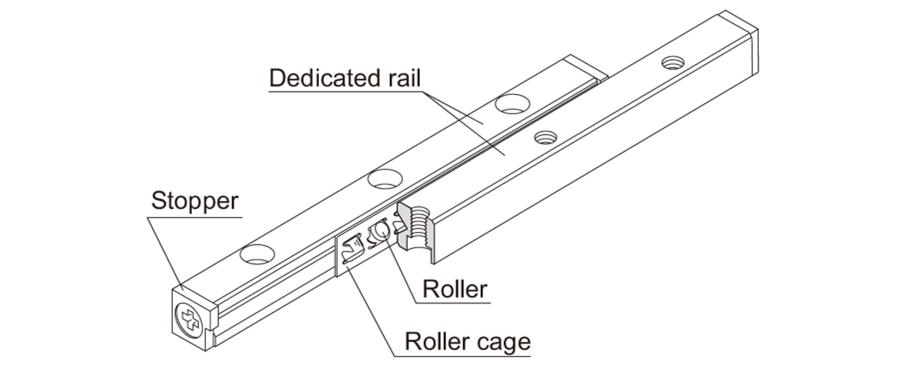
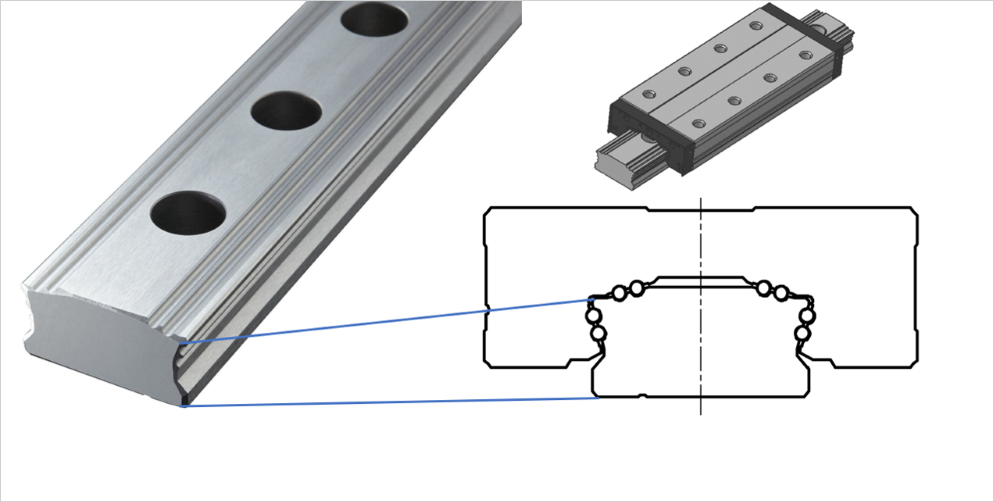
Now let's take a look at the structure and features of a cross-roller guide. Cross-roller guides contain a series of precision rollers arranged orthogonally. They have a finite stroke and can bear loads in four directions. Their most noteworthy feature is that the rollers are kept apart by a roller cage. Since these rolling elements don't recirculate, waving doesn't occur, which makes for smooth, highly accurate linear motion.
Selecting Linear Motion Guides for High-Accuracy Positioning
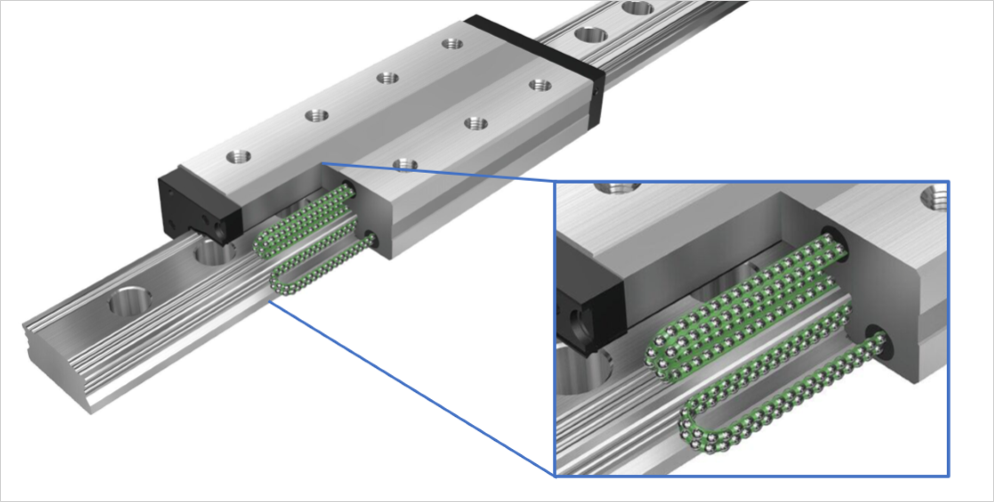
Let's think about the features of these two types of linear motion guide as we work out which would be best suited to imaging inspection systems. Since accuracy is paramount in this kind of equipment, if we want to go with an LM Guide, our best candidate would be a super-low waving model that has small balls and a total of eight raceways. These features reduce the load applied to any one ball, and they infinitely minimize changes to the number of load-bearing balls and the balance of loads acting on the block to keep waving to a minimum. With this level of super-low waving, these LM Guide models can even replace static pressure guides, not only in inspection systems, but in semiconductor manufacturing equipment and machine tools as well.
That said, cross-roller guides, with their finite-stroke circulation structures, are also a good choice for imaging inspection systems. If you're installing one vertically or in a place prone to collisions, though, you’ll want to go with a model that includes a cage alignment system to prevent these factors from causing cage misalignment.
If you're one of our current or potential customers, we hope this information helps you pick the right linear motion guide to provide the accuracy and performance your equipment requires.
Whatever the Application, Our Linear Motion Guides Have You Covered!
In this article, we looked at a handful of use cases to go over the features of different linear motion guides and how to select the right one for the job. We saw how some might be similar in appearance, but their different load capacities, rigidity, accuracy, and stroke lengths make them suited to very different applications. Ultimately, the goal is to choose a linear motion guide that best fits the device it's meant to be part of.
We hope that the information in this article can help you decide which of our products are right for you. THK has a large lineup beyond what we were able to cover in this article, though, so please don't hesitate to reach out to us for product selection support.
Learn more about slide rails (THK website)
Learn more about ball splines (THK website)
Learn more about linear bushings (THK website)
Learn more about cross-roller guides (THK website)
* This content is based on information that was released in Japanese on September 24, 2026.