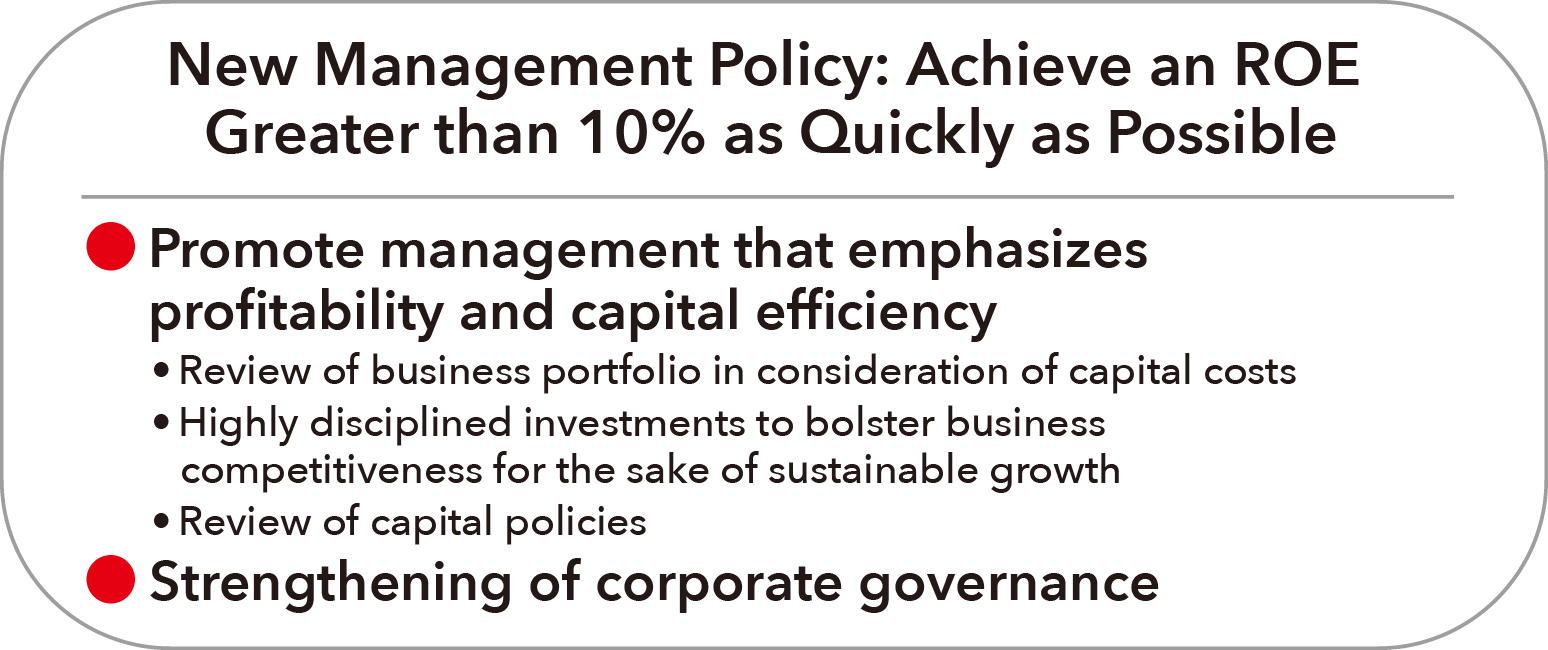
We drive greater shareholder returns through profitability enhanced by structural reform and
growth investments and through strong cash flow generation.
Human Capital
As we develop talent that can succeed across our global business, we are also enhancing the ways
we grow digital talent that can make use of the latest technologies.
Manufacturing Capital
By bolstering our production structure in each region to produce in areas of demand, we continue
to build our brand by providing customers around the world with a stable supply of high-quality
products.
Technology and Intellectual Capital
We secure our competitive advantage through a thorough, customer-focused design cycle; adapting
our core technologies to give rise to products and services with new and better functionality;
and judicious management of our intellectual property rights.
Products that adapt core technology for new business areas
FA Solution Business
Mechatronic and modular products
IoT services
Outcomes
*While this webpage displays our value creation process as something linear, moving in one direction from top to bottom, in practice, it is an ongoing, connected cycle of successive efforts.
*The 2025 revenue and operating income do not include the automotive and transportation business